
ITINERARY
From the First Settlement to the Heart of the City
Potrebbe interessarti anche

From the First Settlement to the Heart of the City: An Archaeological Walking Itinerary Along the Este Walls
There are corners of Ferrara where time seems to have settled gently, leaving behind traces that speak of the city’s origins, flowing like the ancient river that once shaped it. South of the city, nestled between riverbanks and Renaissance walls, lies a path less traveled, rich in history and atmosphere. This itinerary spans centuries, from the earliest settlements around the Basilica of San Giorgio to the extraordinary Etruscan artifacts housed in Palazzo Costabili, passing through fortified bastions and monumental gates that bridge past and present. It’s an invitation to discover a different side of Ferrara, step by step, where each stop reveals a fragment of the city’s most ancient soul.
+4
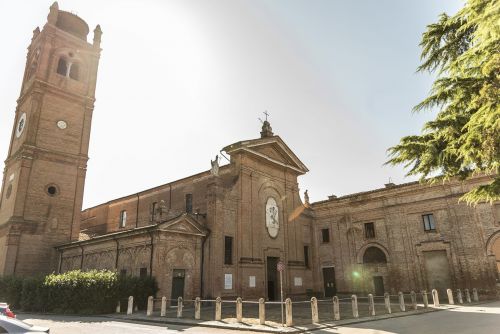
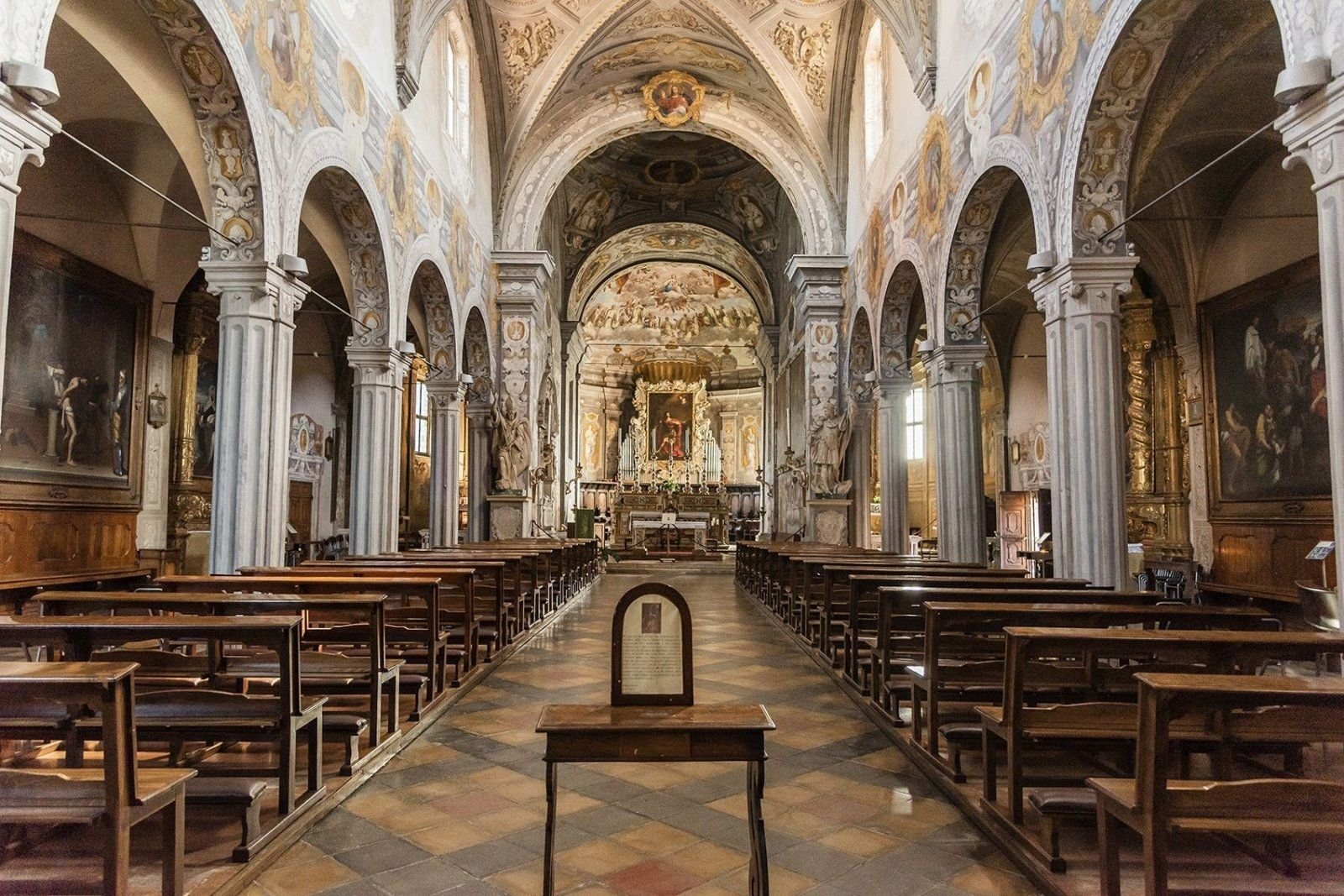
Basilica di San Giorgio fuori le Mura
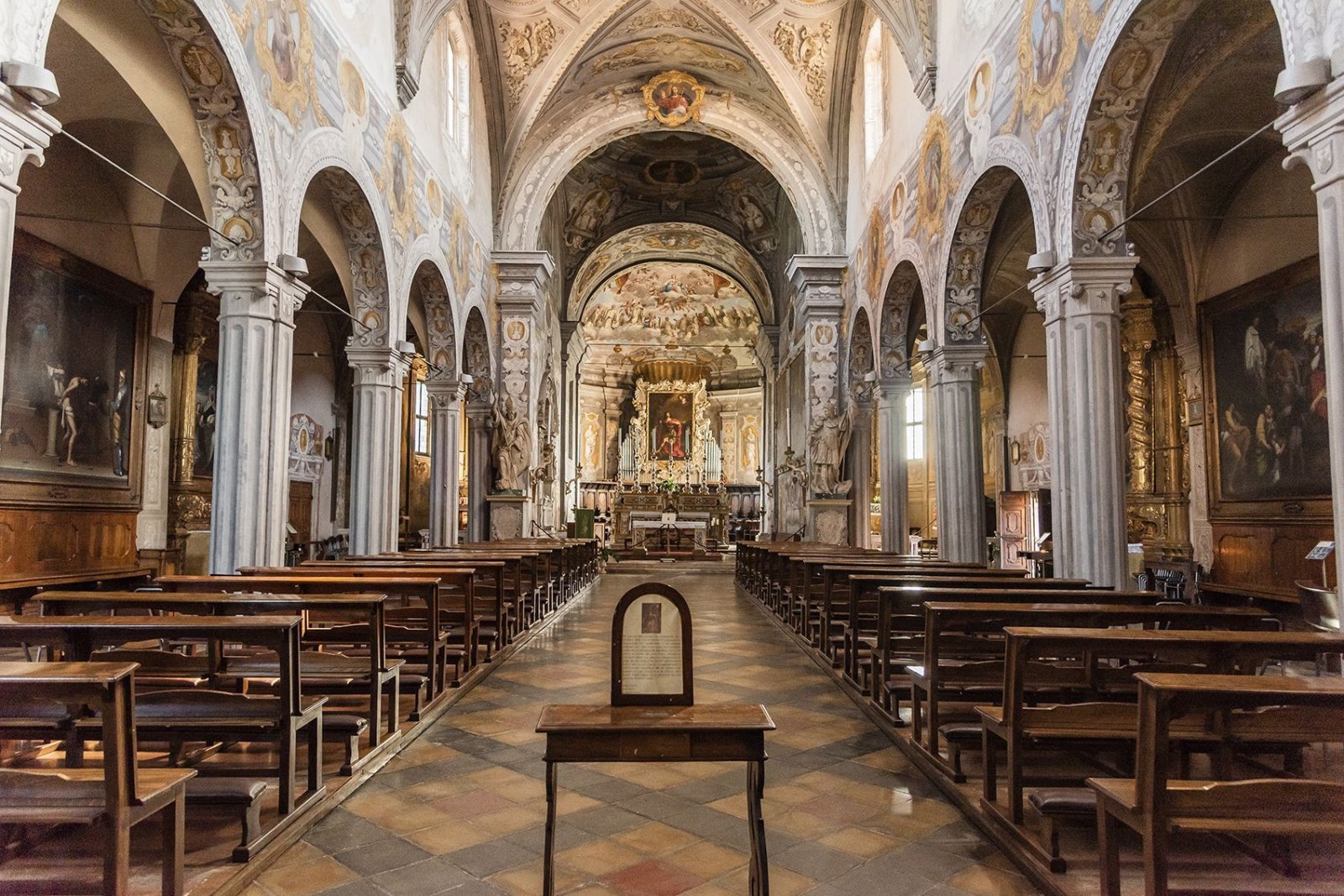
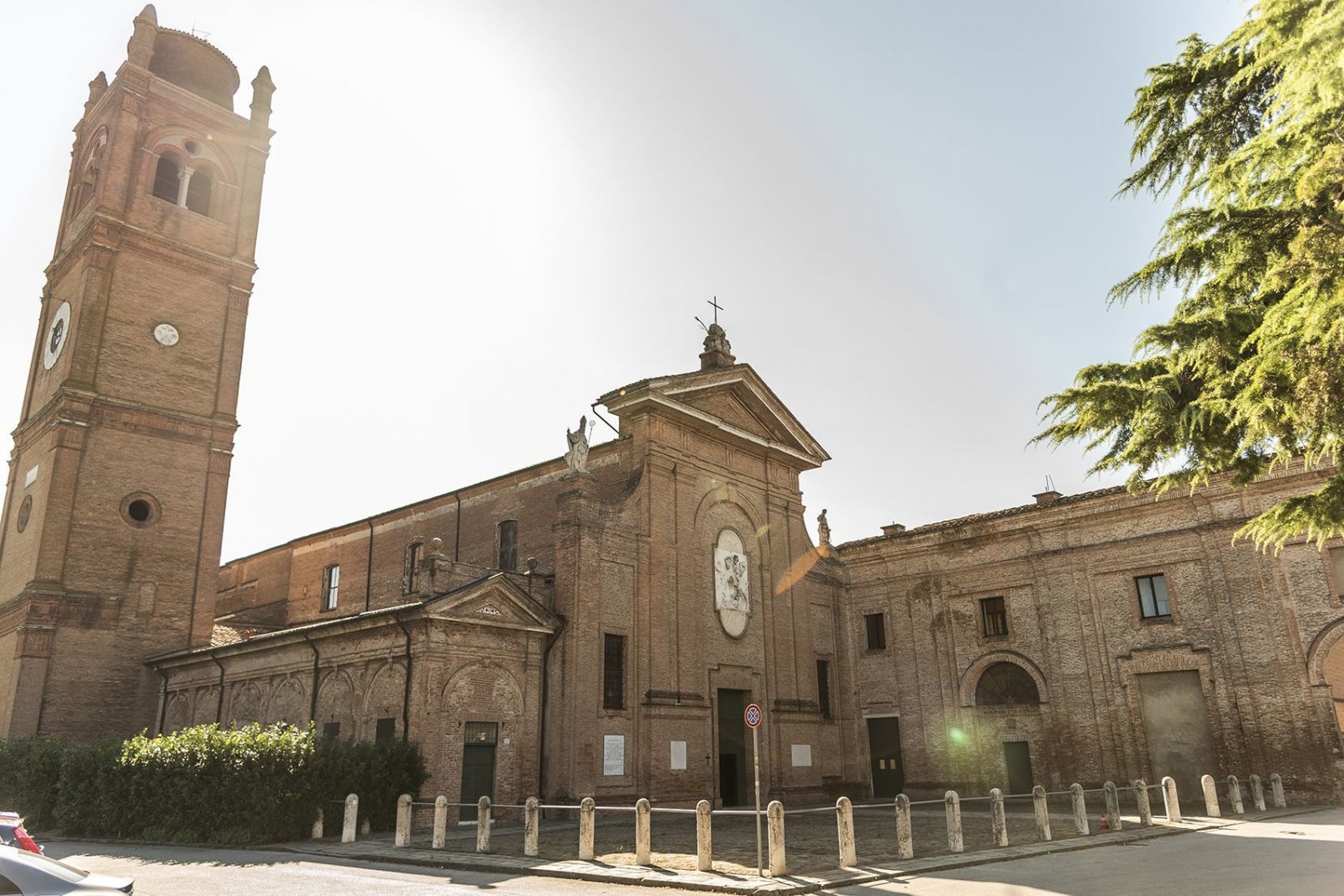
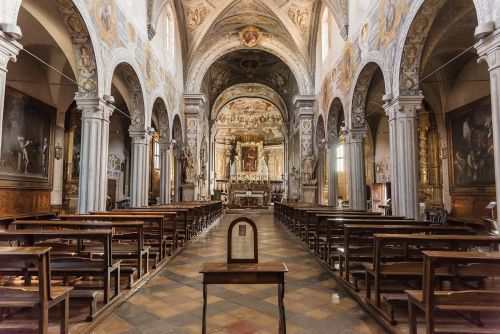
Just a short walk from the banks of the Po di Volano, in a quiet and solemn setting, stands the site of Ferrara’s earliest settlement. In the 7th–8th centuries, the episcopal seat was moved here from Voghenza. The church, reshaped over the centuries, houses extraordinary works such as the Tomb of Saint Maurelius and the funeral monument of Bishop Roverella. It was here that Cosmè Tura painted the famous Roverella Altarpiece, now dismantled, but some parts can still be admired at the National Art Gallery of Ferrara.
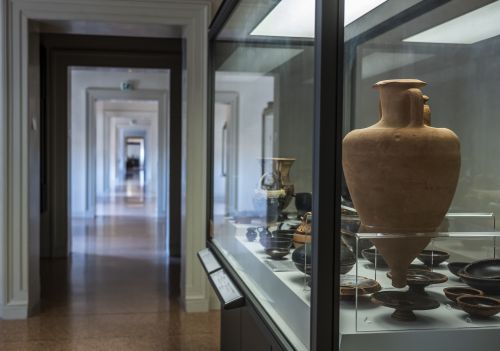
National Archaeological Museum of Ferrara
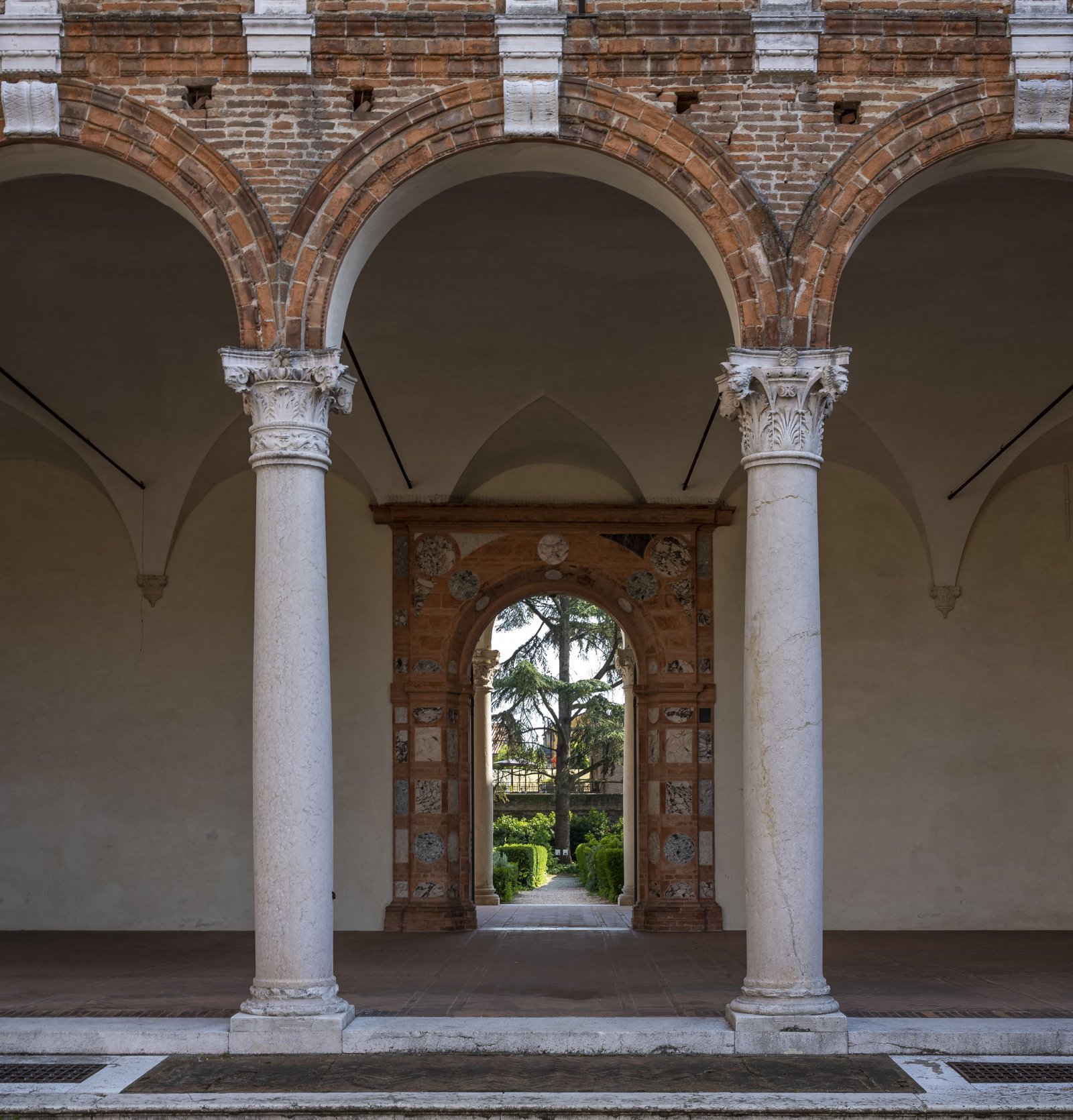
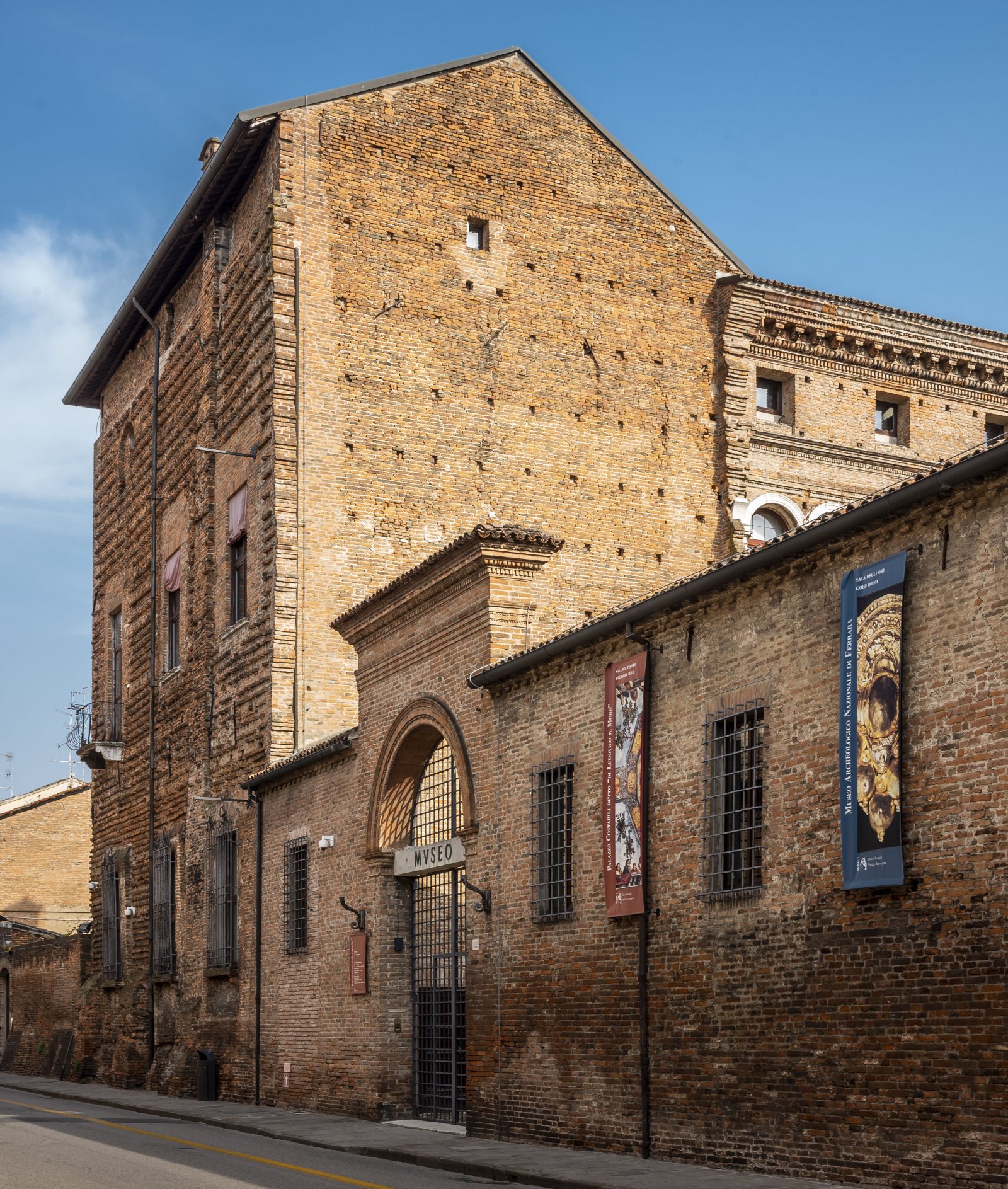
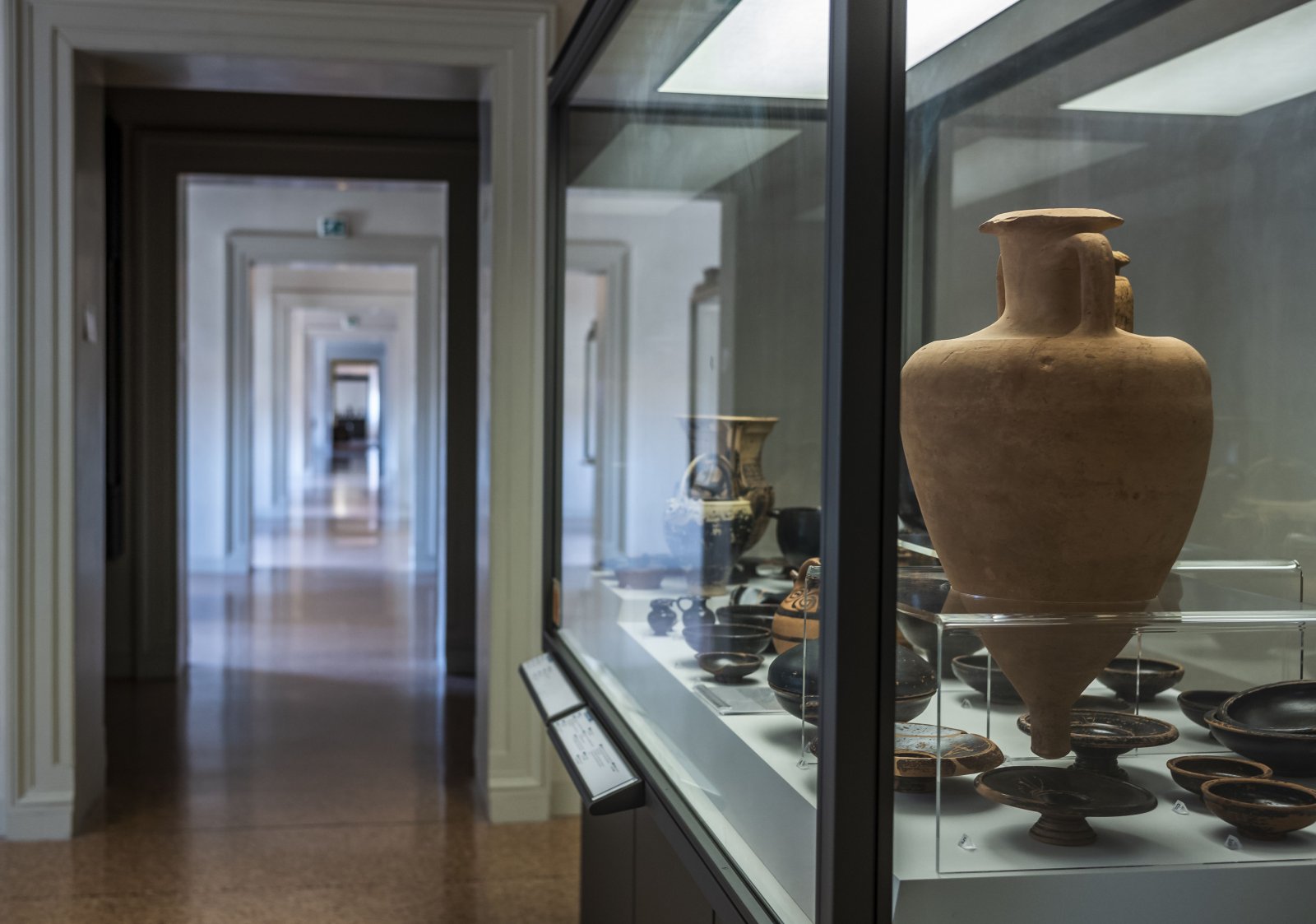
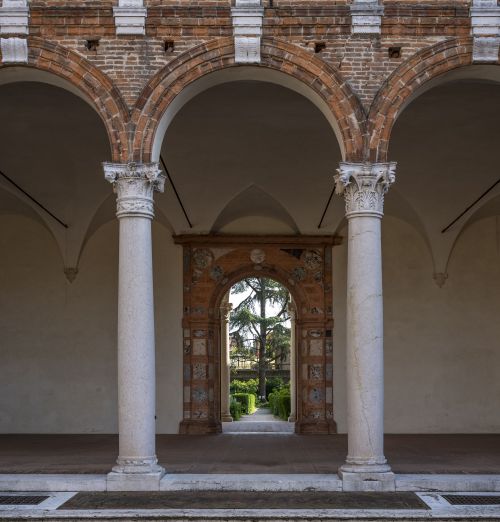
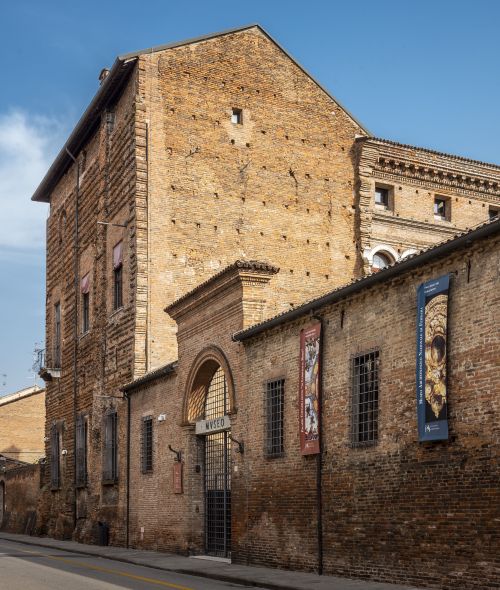
Continuing along Via XX Settembre, once a branch of the Po, you’ll find Palazzo Costabili, also known as Ludovico il Moro’s Palace, now home to the National Archaeological Museum. This is where a fascinating journey into the Etruscan city of Spina begins. Burial goods, ancient jewelry, maps, and Renaissance frescoes offer an immersive look into a rich, multicultural past. Don’t miss the Sala del Tesoro (Treasure Room), frescoed by Il Garofalo, or the charming Neo-Renaissance garden, hidden gems that will leave you delighted.
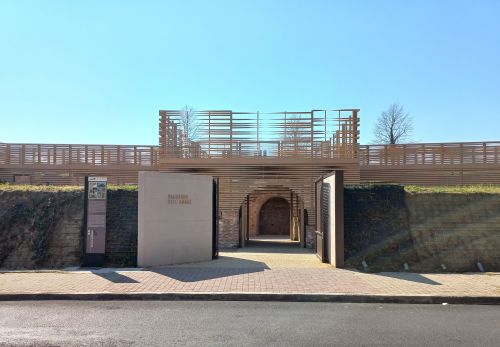
Archaeological Park of the Baluardo dell'Amore
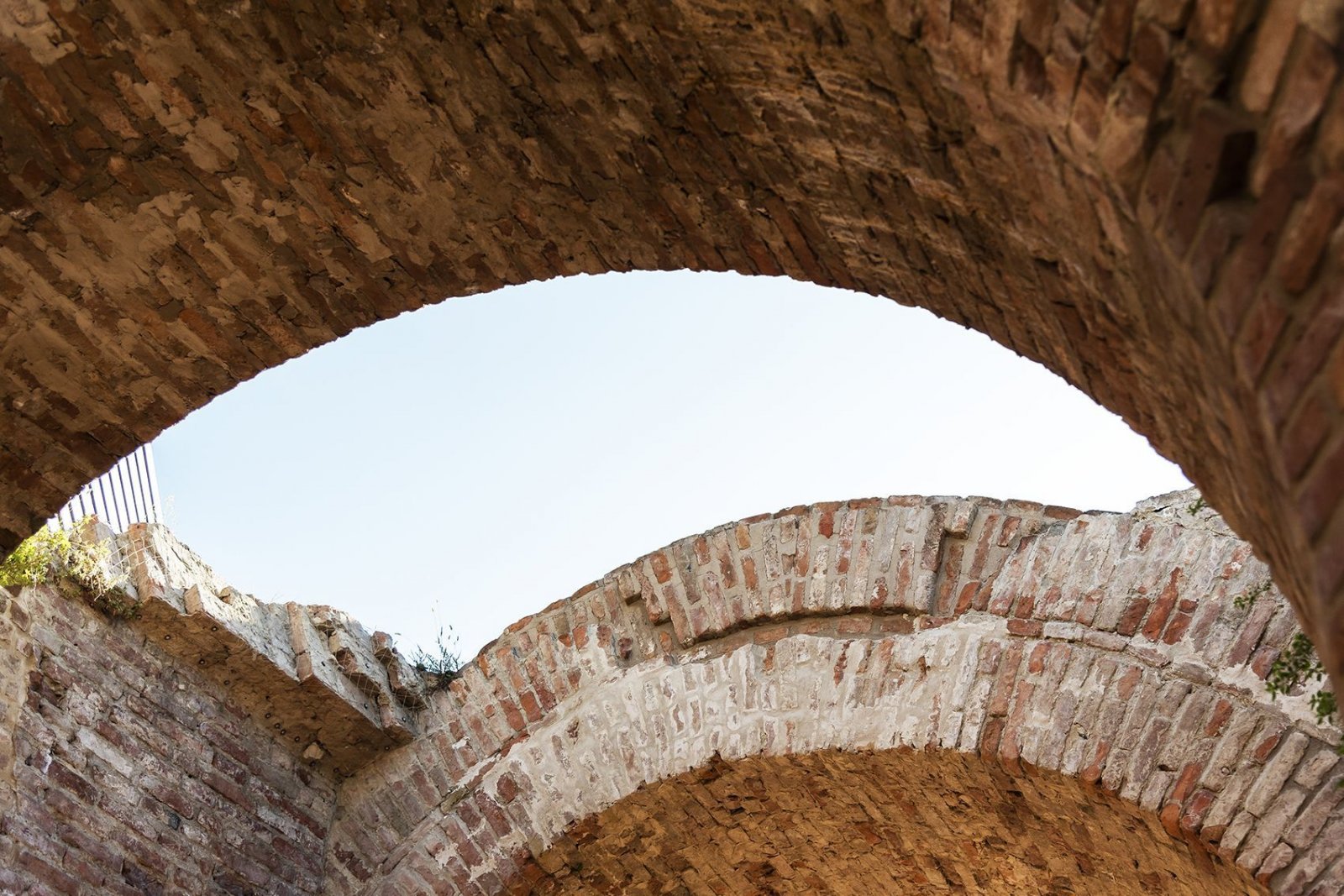
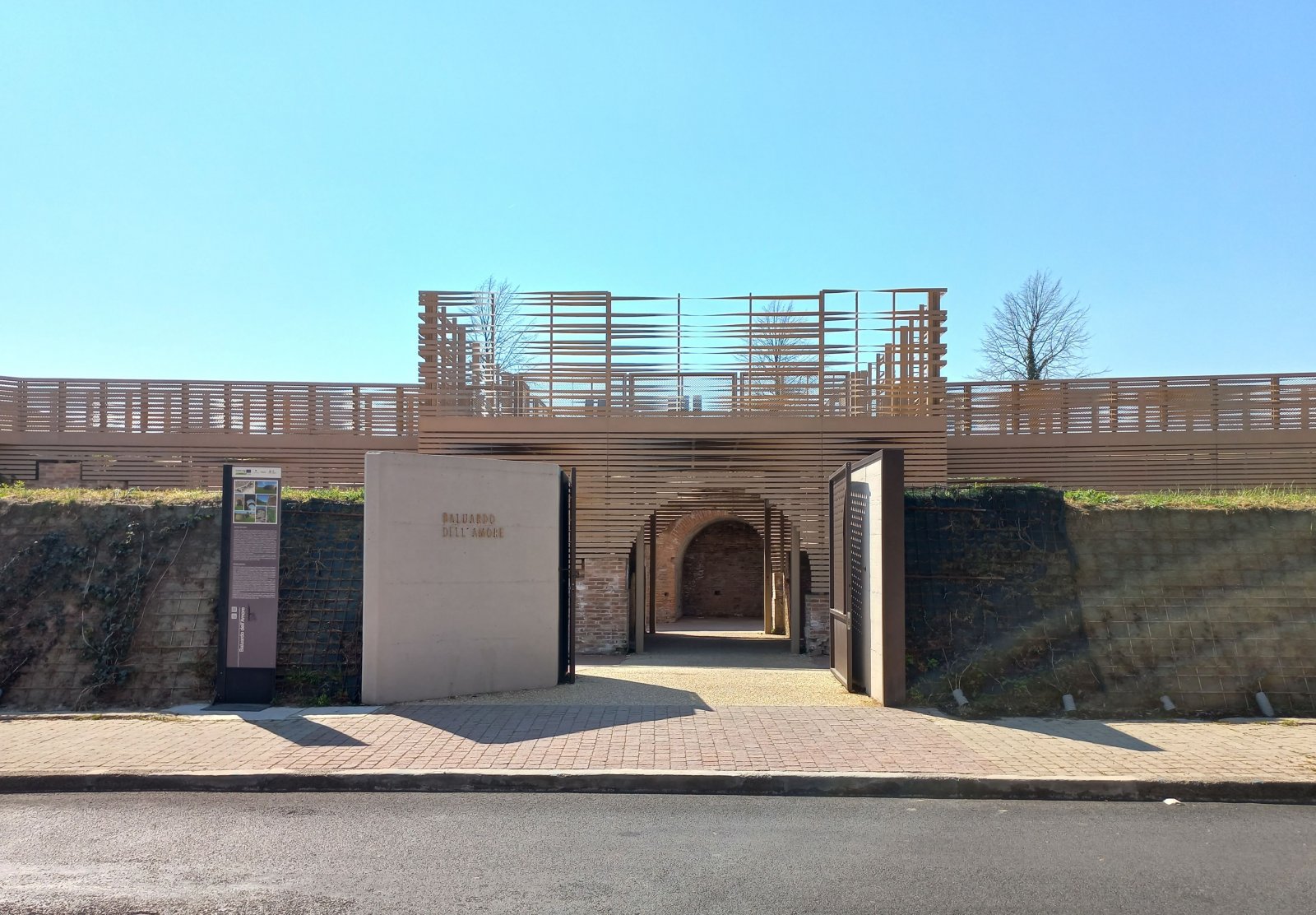
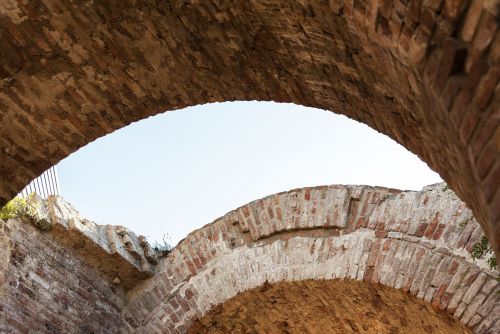
A few steps from the museum, rejoining the city walls, you can enter the Archaeological Park of the Baluardo dell'Amore: a place where history and nature come together to narrate Ferrara’s military and defensive life. Walking along the walls becomes a chance to closely observe the Este’s ancient defensive architecture. Descending into tunnels and vaulted chambers, you’ll step into the very heart of Renaissance fortifications. This open-air museum itinerary is ideal for understanding the function and evolution of Ferrara’s defensive structures.
Este Walls and Porta Paola
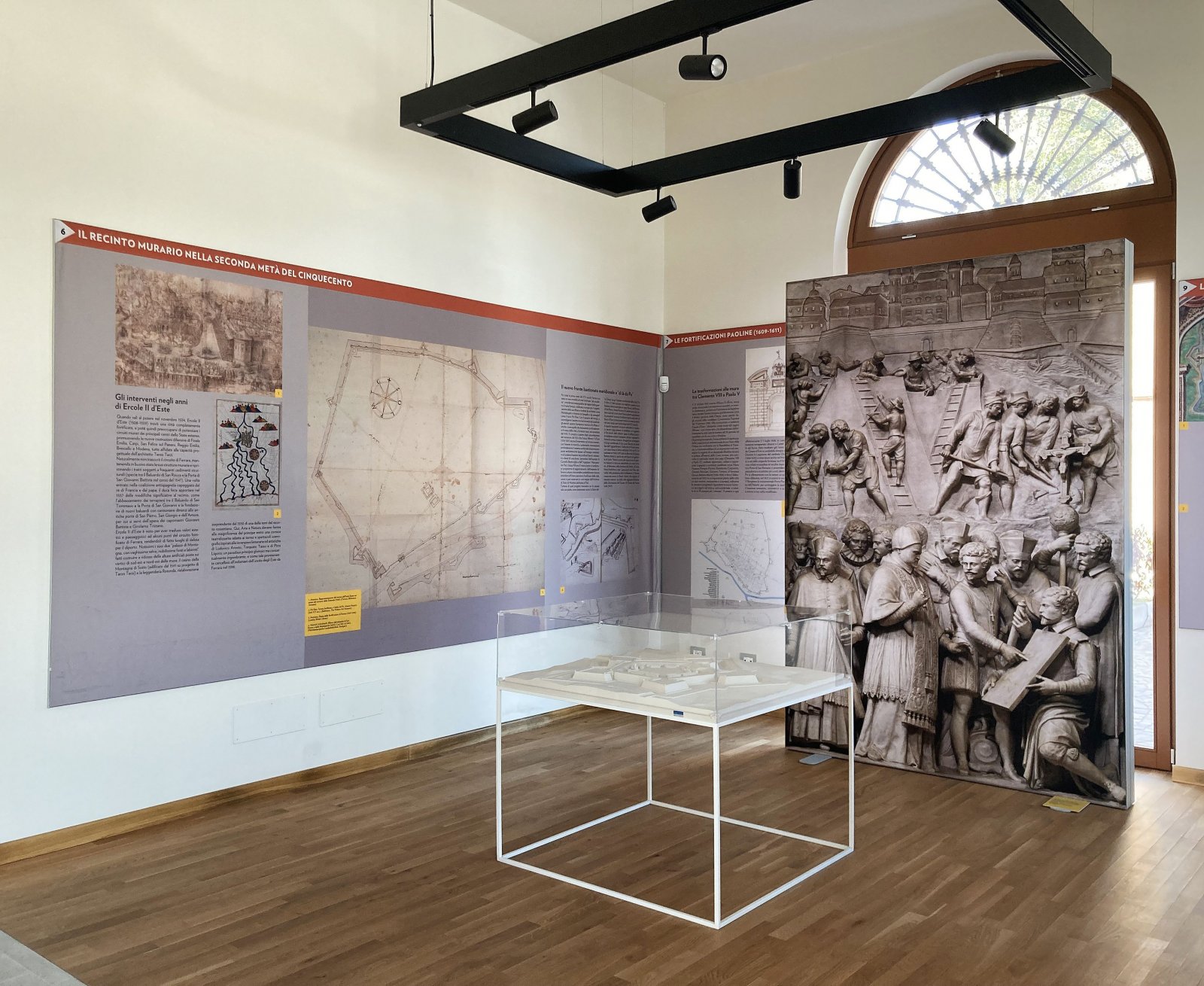
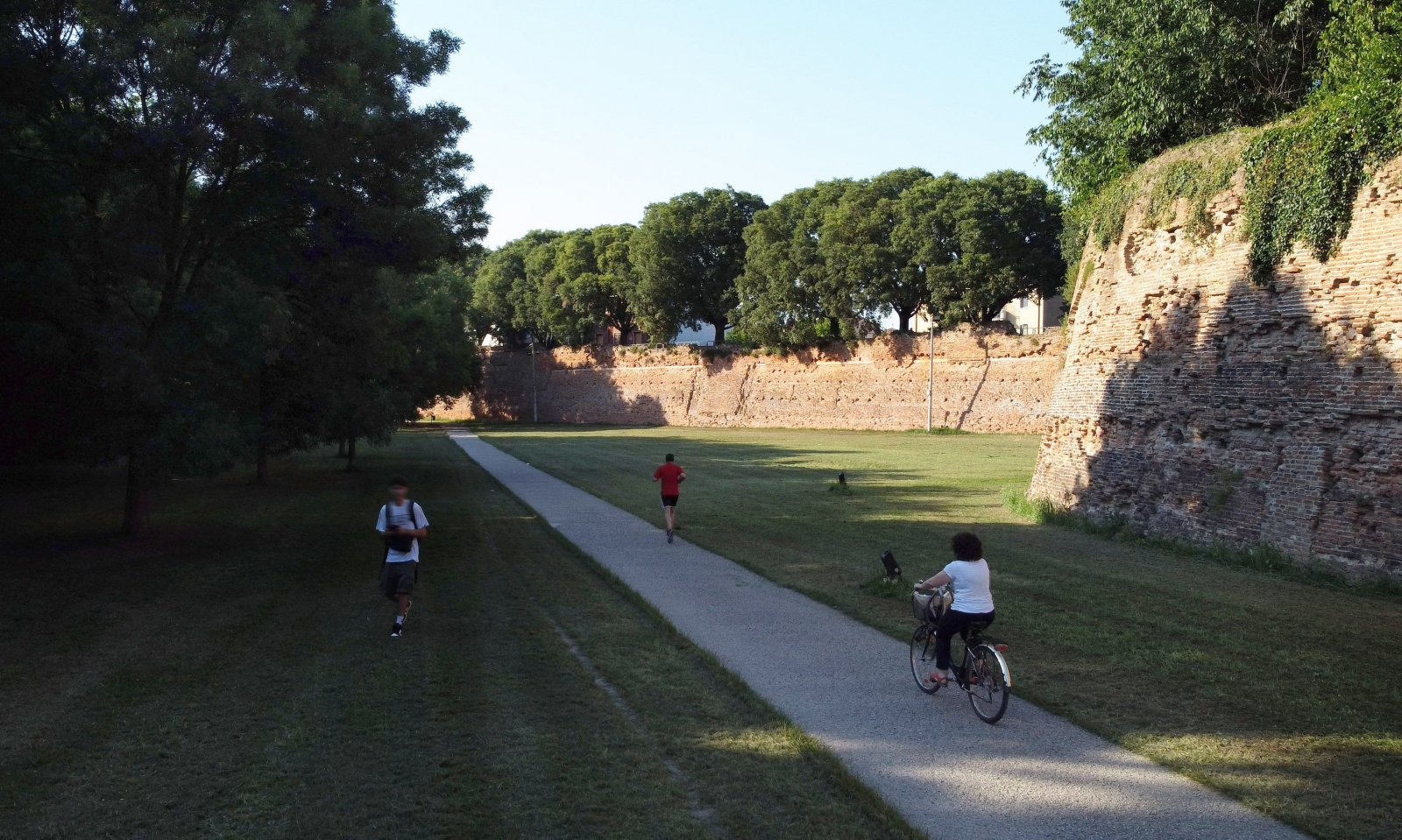
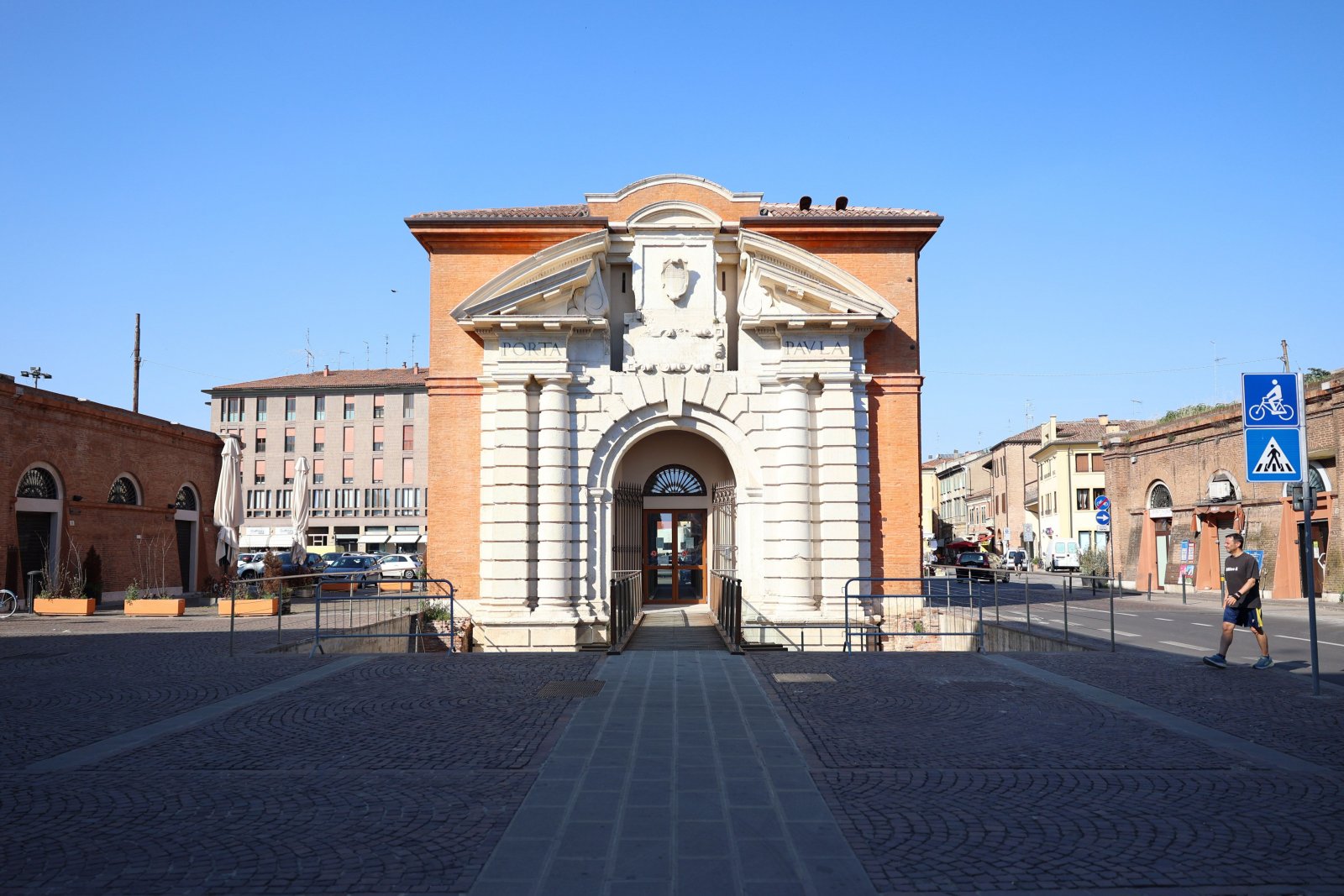
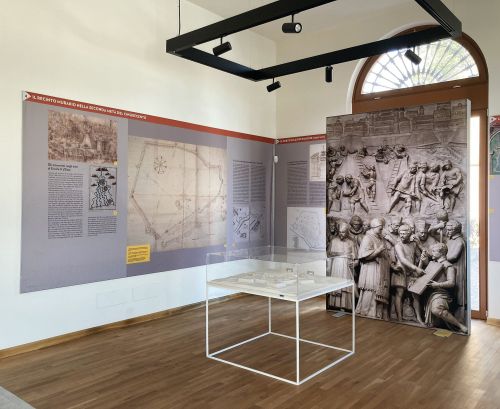
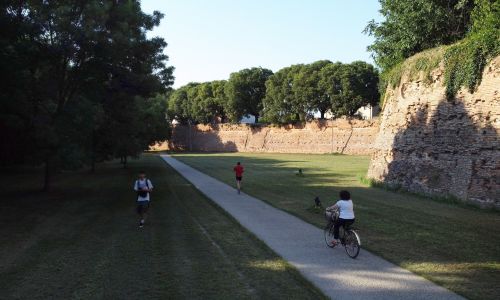
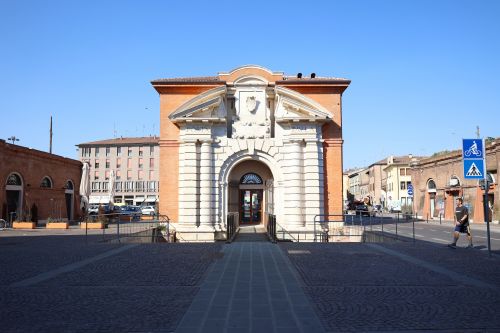
Following the tree-lined path of the Este Walls, through bastions and scenic views, you’ll reach Porta Paola. Designed in 1612 by Giovan Battista Aleotti, this monumental customs gate now hosts the Documentation Center on the Walls. Here, you can explore the historical evolution of Ferrara’s city walls through multimedia exhibits and historic maps.
Porta Paola is also home to the "Strada dei Vini e dei Sapori della Provincia di Ferrara" (Wine and Flavors Route of Ferrara Province), offering visitors a perfect excuse to stop by and get insider tips on local delicacies and food & wine itineraries.
Want to discover Ferrara step by step?
On the InFerrara website, you’ll find a wide range of tailor-made experiences for those who love to travel slowly and with curiosity. Guided tours, themed itineraries, and special activities will lead you through the most fascinating corners of the city.
Explore all the available experiences at www.inferrara.it/esperienze