Ferrara Then and Now: See the City Through Two Photographs
Potrebbe interessarti anche
{$contenuto_correlato}
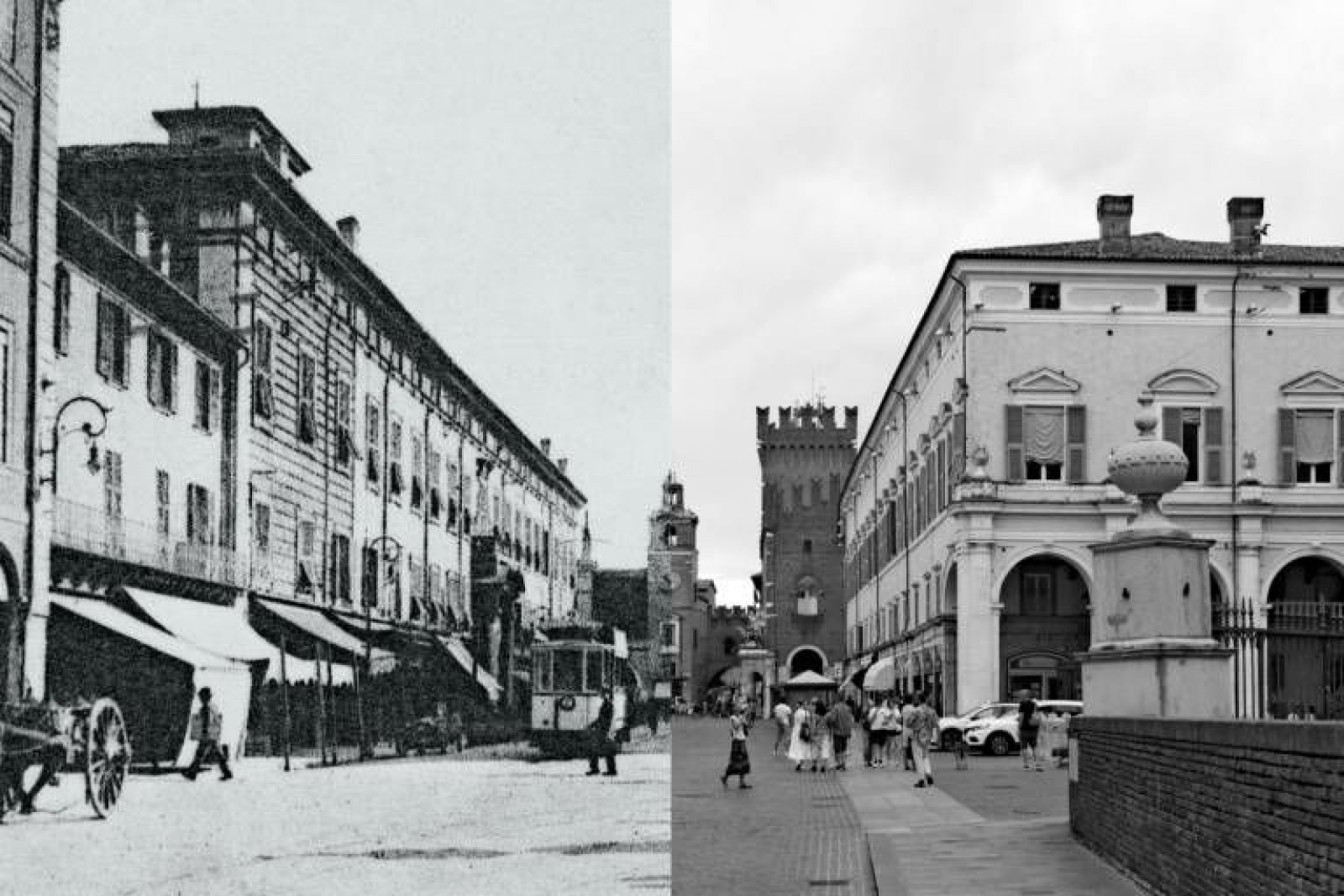
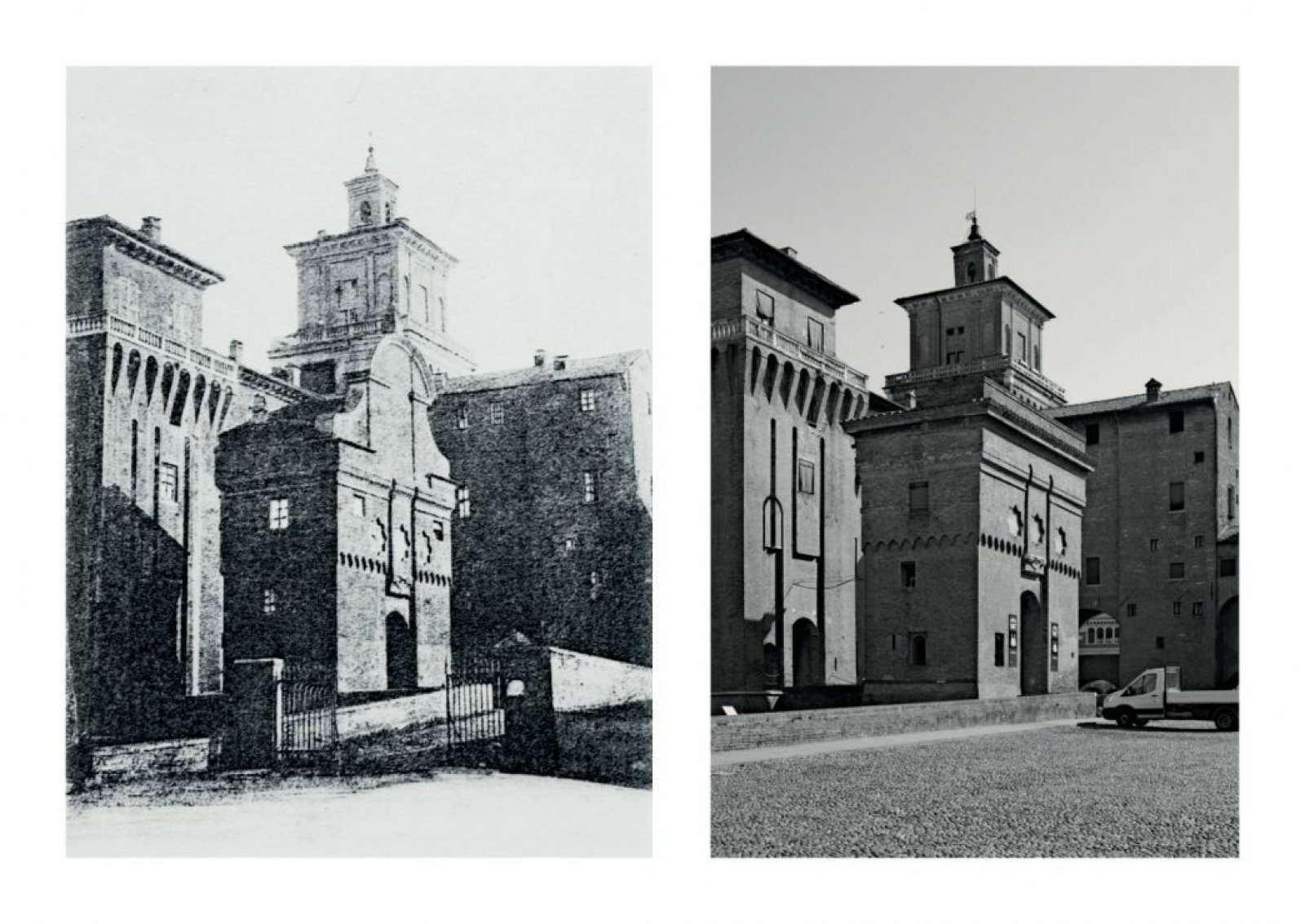
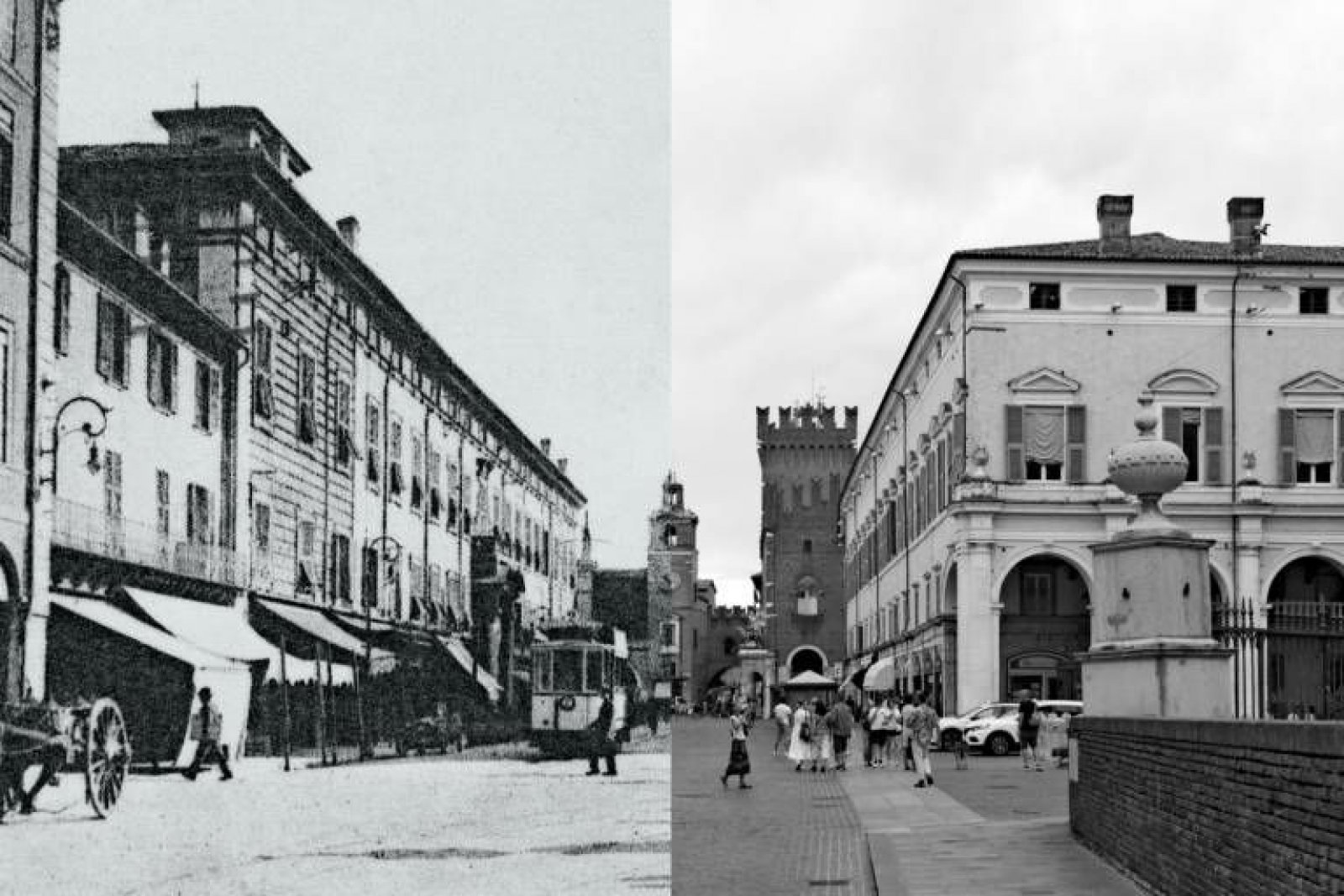
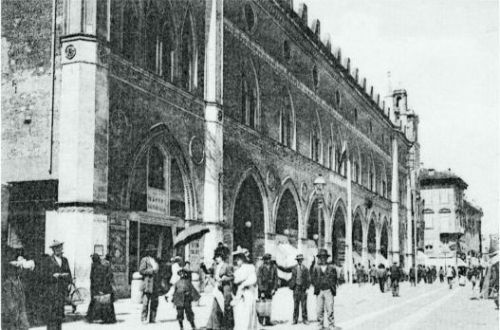
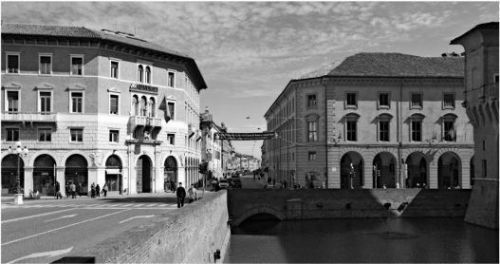
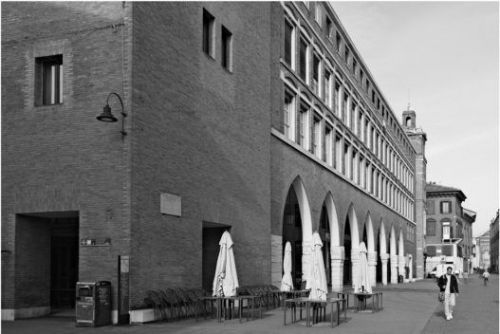
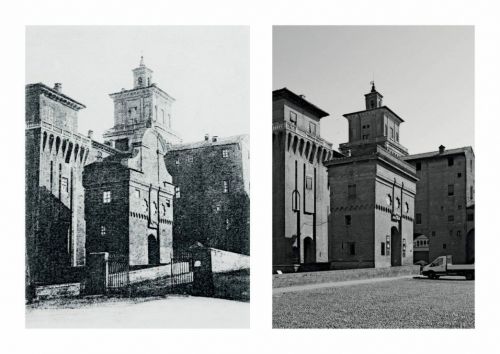
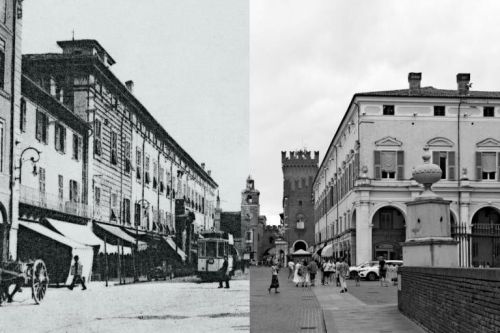
How much can a city change over time? In Ferrara, you can find out with a simple exercise: look at a place, compare it with a photograph from the past, and see what has remained, what has changed and what has disappeared.
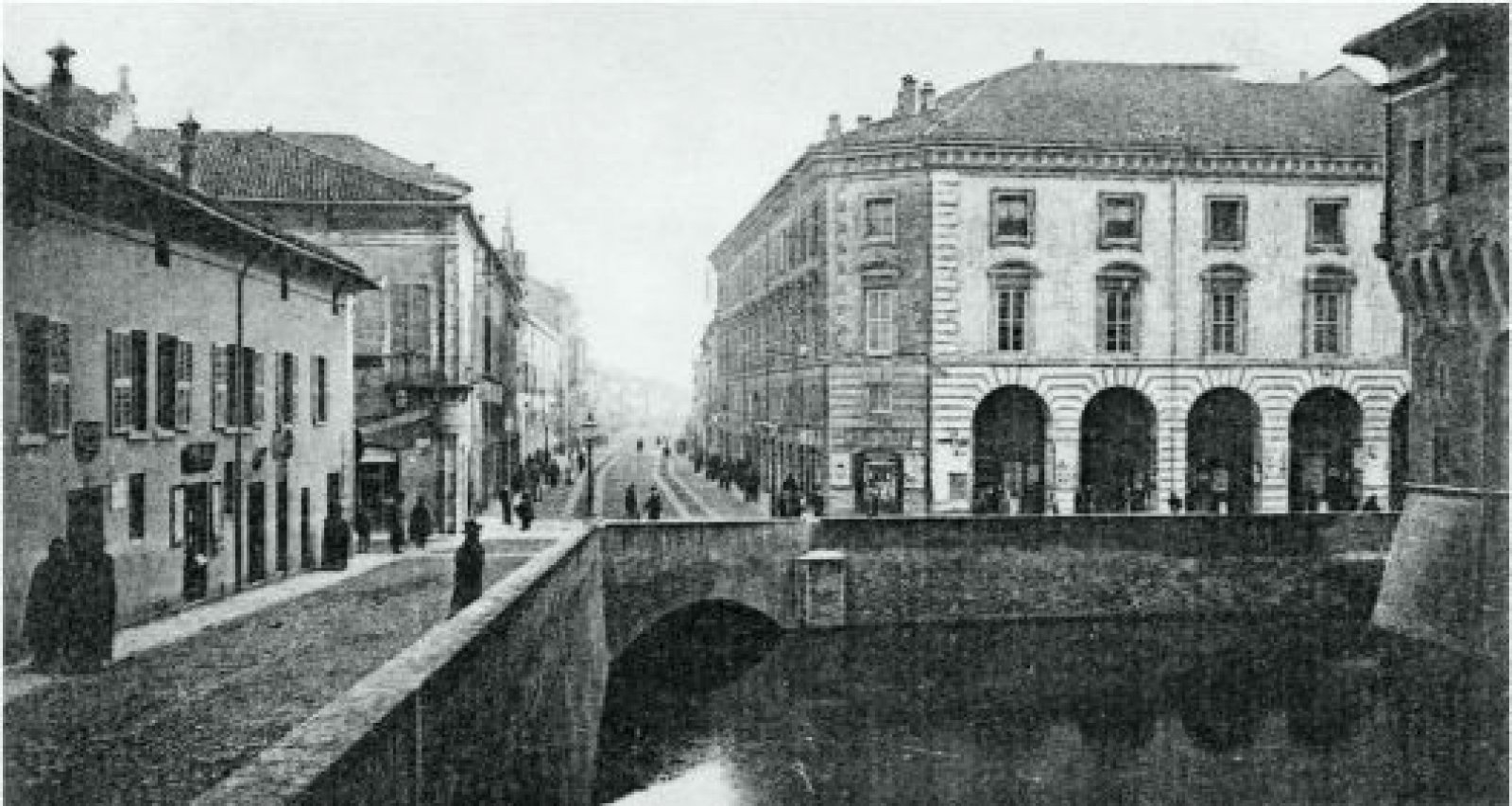
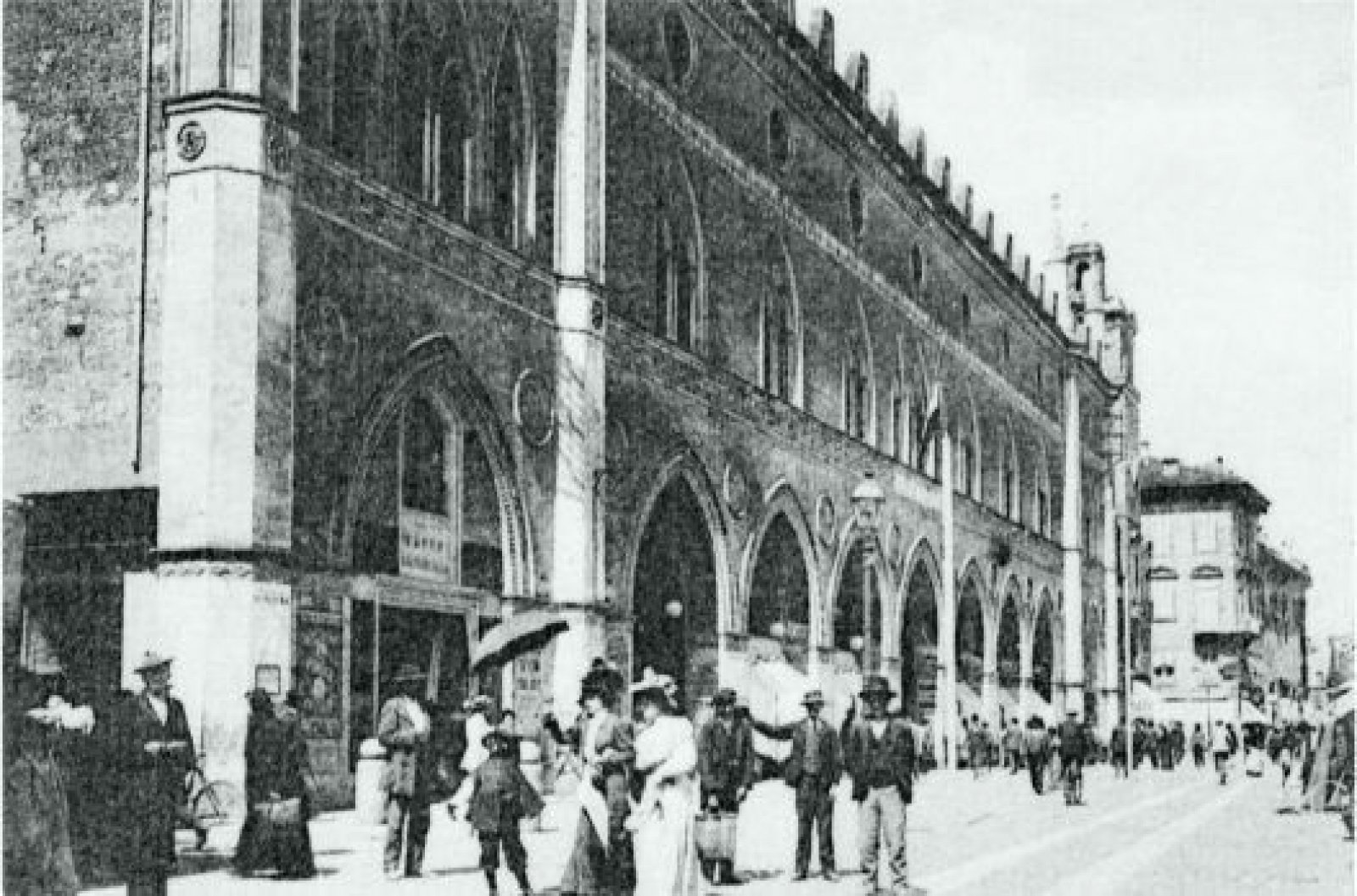
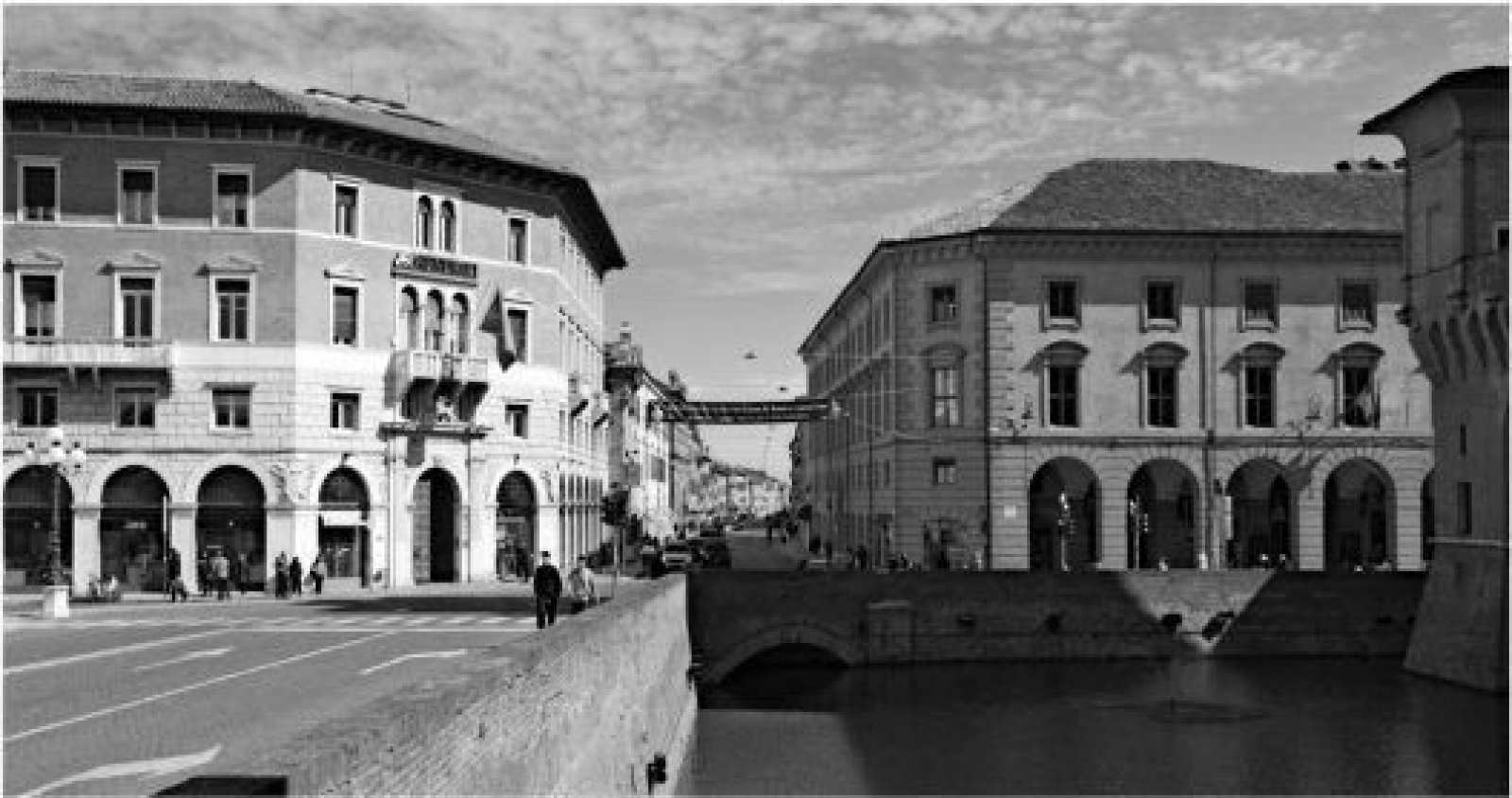
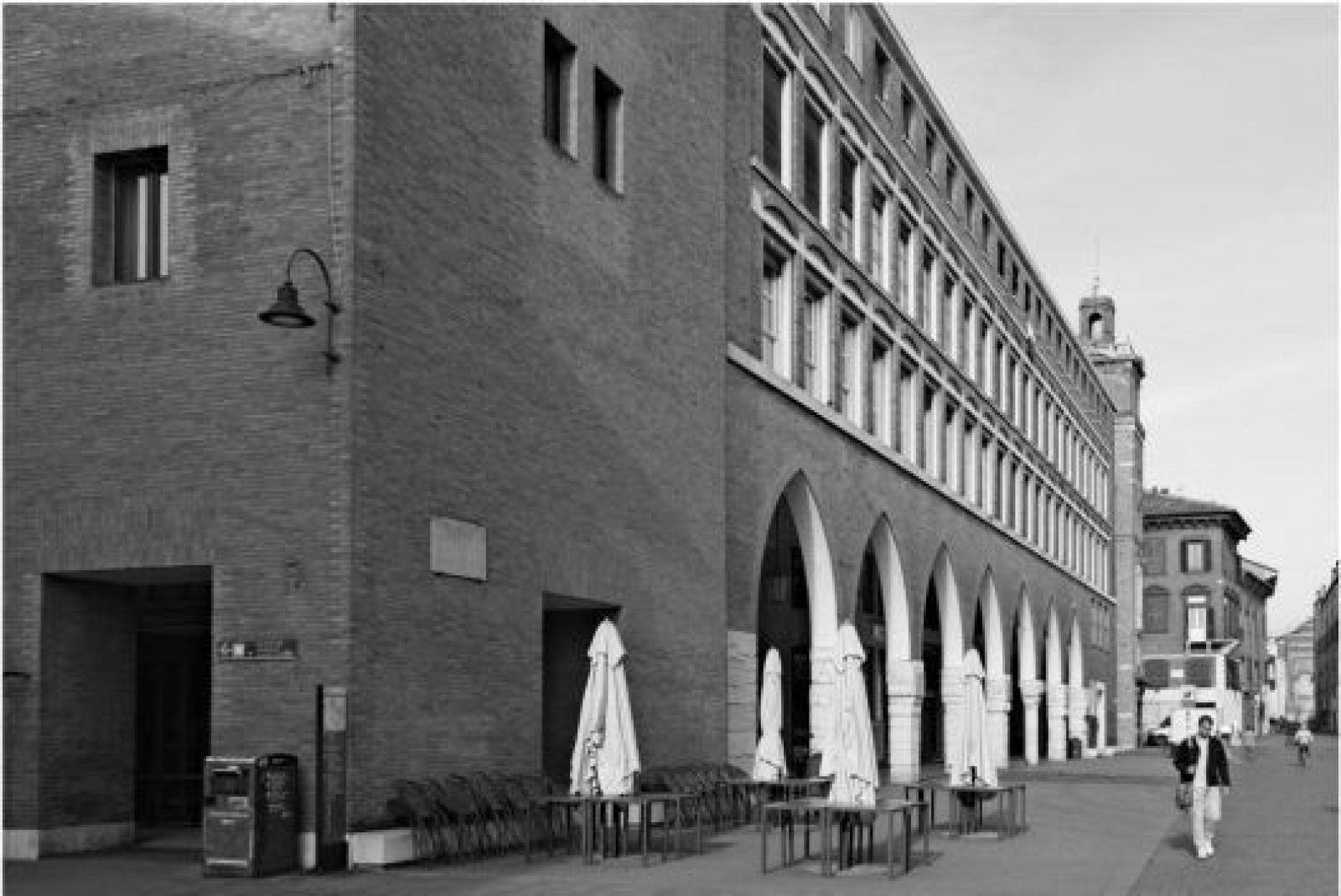
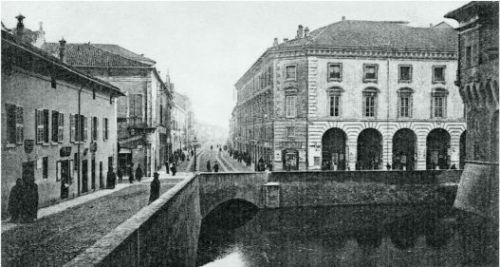
This is the idea behind Attraverso Ferrara. Riflessioni sulla città che cambia (Through Ferrara: Reflections on a Changing City), Marco Andreani’s photography project inspired by Alberto Cavallaroni’s book Ferrara nelle cartoline illustrate (1895–1945) (Ferrara in Illustrated Postcards, 1895–1945), published in 1979. Andreani returned to the places depicted in the historical images and photographed them again, placing past and present side by side.
Andreani’s project can also inspire a different way to explore the city. As you walk through Ferrara, try to imagine the same street, square or building in another era. Look for what seems to have stood the test of time, then notice the details that reveal how people once experienced and moved through these spaces.
Historical images add another dimension to your walk: behind a place that feels familiar today, you may discover a very different version of the same setting.
It is an invitation to slow down and look more closely. Ferrara does not tell the story of its past through monuments and museums alone. Its history also emerges from its streets, perspectives and transformations, becoming visible when you compare what stands before you with what was there before.
Ferrara, One Detail at a Time
A city never stands still. Marco Andreani points out that a project like this needs time before it can be repeated: the city must undergo new transformations and accumulate new traces and differences to observe.
And perhaps that is the most interesting idea to take with you as you explore Ferrara: don’t just ask yourself what you are looking at. Ask yourself what you might have seen from that very same spot many years ago.
This article was written in collaboration with Filo Magazine, based on the original by Sara di Sabatino.